
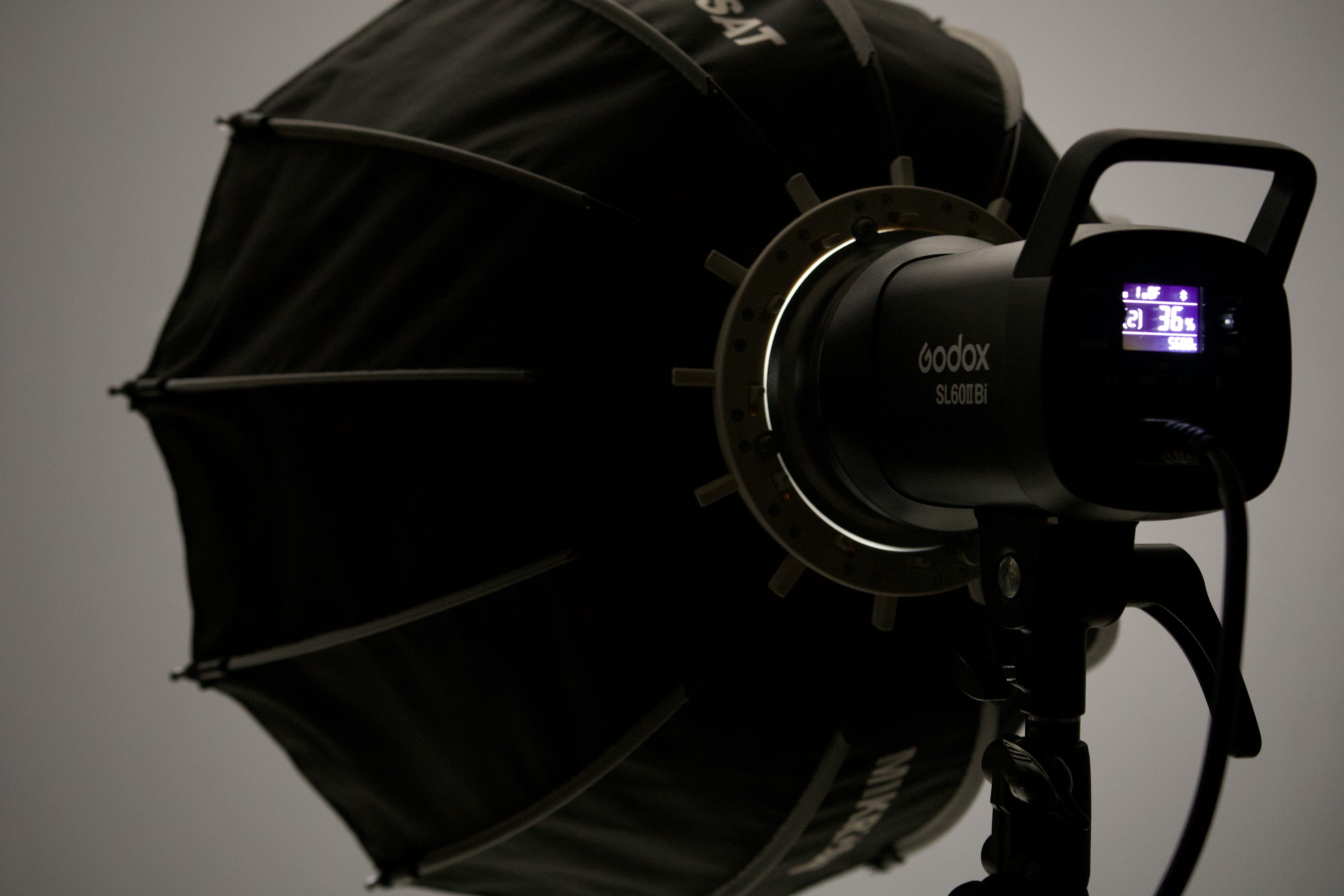
The Importance of Lighting in Photography
Lighting is the cornerstone of any successful photoshoot. It shapes the mood, tone, and emotion of an image far more than the camera or gear you use.
Understanding how light interacts with your subject is essential for creating compelling photographs. Whether you’re working with natural or artificial light, the quality, direction, and color temperature of light can dramatically influence the story your image tells.
Why Lighting Matters More Than Gear
While having the latest camera equipment can be helpful, it’s ultimately the light that defines the final image. Good lighting can transform a simple scene into something captivating, while poor lighting can flatten and dull even the most beautiful subjects. Photographers who master light can create depth, texture, and emotion that resonate with viewers.
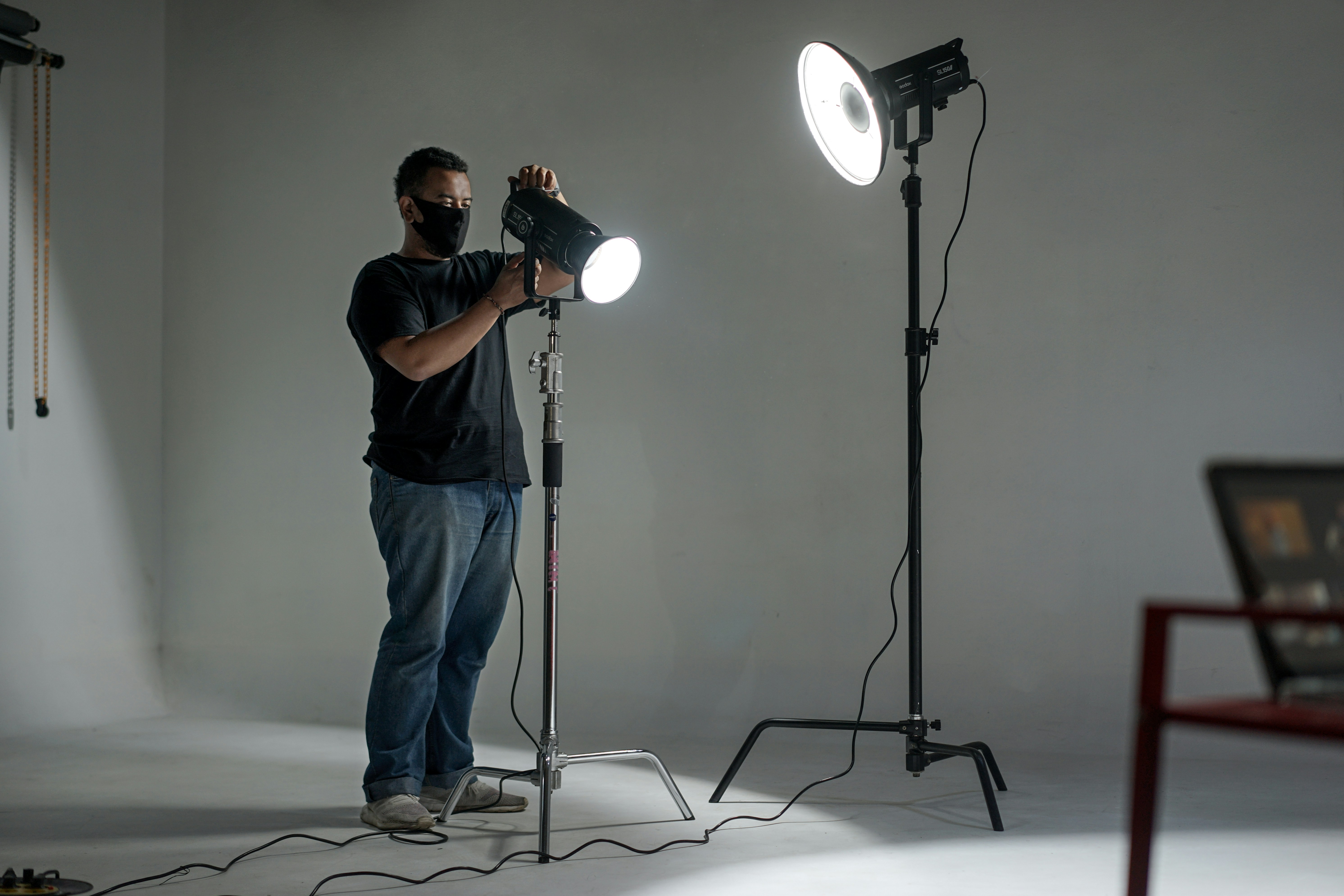
Soft Light vs. Hard Light: Setting the Mood
Soft light, often diffused by clouds or reflectors, produces gentle shadows and a flattering, calm atmosphere. It’s perfect for portraits that aim to evoke warmth and intimacy. In contrast, hard light creates stark shadows and high contrast, adding drama and intensity to your images. Understanding when to use each type can help you convey the right emotion and narrative.
Direction: The angle from which light hits your subject influences the texture and depth. Side lighting can emphasize contours and create a sense of mystery, while front lighting tends to flatten features but highlights details clearly.
Diffusion: Using diffusers softens harsh light, reducing unflattering shadows and highlights. This technique is especially useful in outdoor shoots under direct sunlight.
Color Temperature: The warmth or coolness of light affects the emotional tone. Warm light evokes comfort and nostalgia, while cooler tones can feel modern or somber.
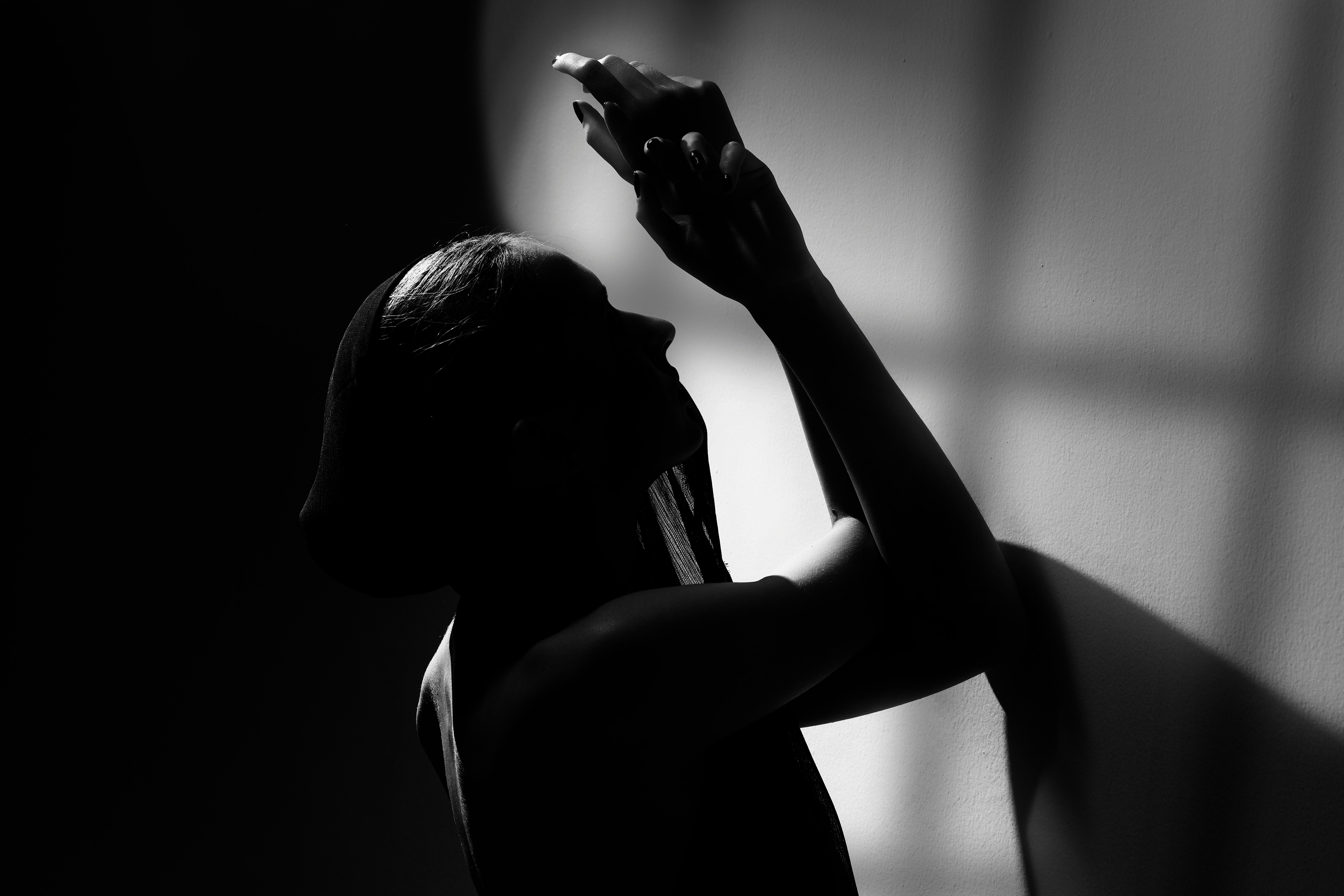
Lighting as a Storytelling Tool
Every photograph tells a story, and lighting is one of the most powerful tools to shape that narrative. For example, a softly lit portrait can communicate vulnerability or tenderness, while a high-contrast image with dramatic shadows might suggest tension or mystery.
Observe the Light: Before shooting, take time to study how light behaves in your environment. Notice how it changes throughout the day and how it interacts with different surfaces.
Control the Light: Use reflectors, diffusers, and modifiers to sculpt the light according to your vision. Even small adjustments can have a big impact on mood and clarity.
Experiment: Don’t be afraid to try unconventional lighting setups. Playing with shadows, colors, and angles can lead to unique and memorable images.
Practice Consistently: Like any skill, mastering lighting requires practice. Review your work critically and learn from each shoot to improve your understanding.
Conclusion
Lighting is the heart of photography, shaping not just how your subject looks, but how your audience feels. By mastering the nuances of light—its quality, direction, and color—you can elevate your images from simple snapshots to powerful visual stories. Embrace the light, and watch your photography transform.


